

CRM Software: Is It Worth the Investment for Growing Businesses?
In today’s competitive marketplace, businesses are constantly striving to enhance their relationships with customers while also streamlining operations. For growing companies, integrating a Customer Relationship Management (CRM) system can be a game-changer. But is this investment truly worth it? This article will explore the value of CRM software for growing businesses, focusing on its benefits, costs, and considerations for making an informed decision.
Understanding CRM Software
What is a CRM?
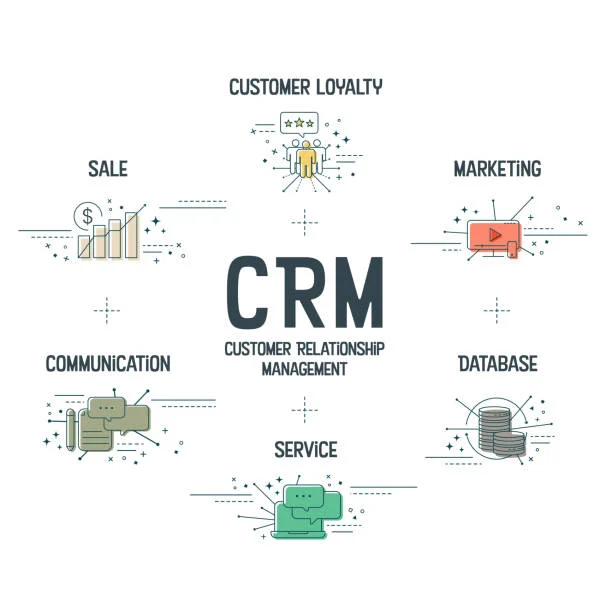
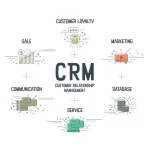
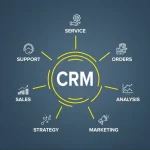
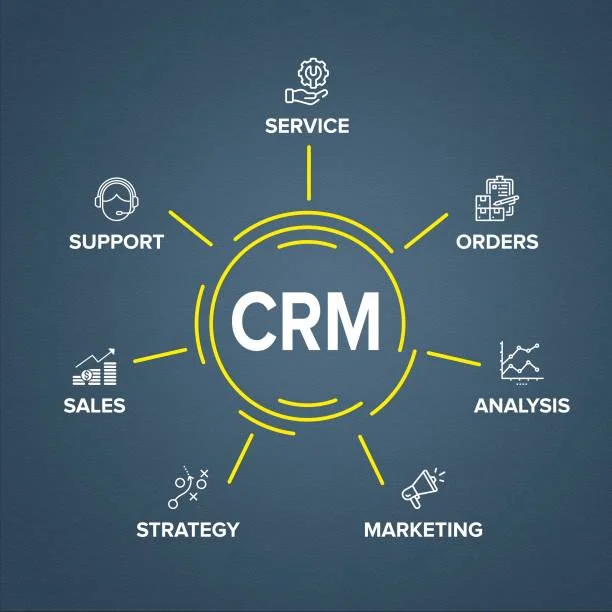
At its core, a CRM system is a software tool designed to help businesses manage interactions with current and potential customers. It centralizes customer information, tracks interactions, manages sales pipelines, and supports marketing efforts, all aimed at enhancing customer satisfaction and loyalty.
The Purpose of CRM Software
The primary goal of a CRM system is to improve business relationships. By leveraging data and insights, companies can understand customer needs better, improve their marketing campaigns, and ultimately drive sales. Implementing a CRM solution can lead to more personalized communication, efficient processes, and better customer service.
Benefits of Implementing CRM Software
Implementing a CRM system offers numerous advantages that contribute to a business’s growth trajectory. Below are some key benefits:
1. Improved Customer Relationships
CRMs centralize customer data in one accessible platform. This allows businesses to understand their customers’ preferences, needs, and behaviors. By having a comprehensive view of customer interactions, companies can tailor their approaches, resulting in better customer satisfaction and loyalty.
2. Streamlined Sales Processes
A CRM system helps businesses organize their sales processes, enabling sales teams to track leads and manage their pipelines more effectively. This results in increased productivity as teams can prioritize their efforts on high-potential leads and close deals more efficiently.
3. Enhanced Collaboration
With a CRM, teams from different departments can share information and work collaboratively on customer accounts. This enhances communication and reduces the chances of miscommunication, leading to smoother operations and better results.
4. Data-Driven Insights
CRMs come equipped with powerful analytics tools that help businesses make informed decisions based on real-time data. This capability allows companies to identify trends in customer behavior, track the performance of marketing campaigns, and adjust strategies to maximize results.
5. Automation of Repetitive Tasks
CRM systems often have automation features that help reduce the time spent on repetitive tasks. For example, automated follow-up emails, reminders, and task assignments can increase efficiency and allow team members to focus on higher-value activities.
6. Better Customer Retention
By monitoring customer interactions and addressing issues proactively, businesses can improve customer retention rates. A CRM can help identify customers who may be at risk of leaving, allowing companies to intervene before it’s too late.
Understanding the Costs of CRM Software
While the benefits are compelling, it’s essential to take a close look at the costs associated with implementing a CRM system. Understanding these costs will help businesses assess whether the investment makes financial sense.
1. Software Subscription Fees
Most CRM platforms operate on a subscription pricing model, which means monthly or annual fees. These costs can vary widely based on the features offered, the number of users, and the specific needs of the business.
2. Implementation Costs
Implementing a CRM system may require customization to suit your business’s specific processes. This could involve hiring consultants or dedicating internal resources to set up and configure the system, adding to the overall cost.
3. Training and Onboarding
To maximize the potential of a CRM system, employees need to be adequately trained. Depending on the complexity of the system, this may require additional training costs or the hiring of external trainers.
4. Integration with Other Tools
Many businesses rely on multiple software solutions to manage different aspects of their operations. Integrating the CRM with these tools can incur additional costs, particularly if custom development is required.
Analyzing the Return on Investment (ROI)
To determine whether a CRM is worth the investment, businesses need to weigh the potential return on investment (ROI) against the costs.
Example: Cost-Benefit Analysis
Consider two hypothetical businesses:
Business A (with CRM):
- Monthly CRM cost: $500
- Training cost: $1,000 (one-time)
- Improved customer retention: 15%
- Increased sales productivity: 20%
- Enhanced marketing conversions: 10%
Business B (without CRM):
- Monthly operational cost: $1,000 for various manual processes
- Customer retention rate stagnates at 2%
- Sales productivity low due to lack of tracking
- Marketing conversion rate: 5%
At the end of a six-month period, Business A’s investment results in significant financial gains that far outweigh the costs, showcasing a clear ROI.
Factors to Consider Before Investing in a CRM
Before committing to a CRM, companies should consider several factors:
Business Size: For small businesses, the immediate need for a CRM may not be apparent. However, investing early can pay dividends as they grow.
Budget Constraints: Companies need to assess their budgets realistically. Starting with a more affordable CRM and scaling as the business grows can be a strategic approach.
Customization Needs: Businesses with unique processes may require more extensive customization, which can increase costs. Choosing a flexible CRM that can adapt to changing needs is crucial.
User Adoption: The effectiveness of a CRM system hinges on user adoption. Businesses should consider the learning curve and how long it will take for teams to adapt.
Integration with Existing Processes: A CRM should integrate smoothly with the tools already in use. Lack of compatibility can hinder productivity rather than enhance it.
Conclusion: Is CRM Software Worth the Investment?
For most growing businesses, investing in CRM software is not just worth it; it’s essential for driving growth and improving customer relationships. The benefits—ranging from streamlined processes to enhanced customer satisfaction—far outweigh the costs associated with implementation.
However, companies must carefully assess their specific needs, budget, and the potential for ROI before making a decision. For those still hesitant, starting with a smaller, more affordable CRM solution can set the stage for future growth and allow businesses to learn how to maximize the value of their CRM over time.
In summary, while CRMs may not be suitable for every business, their capabilities offer immense value to organizations seeking to improve operations and foster better customer interactions.
Written by Domingo Hernández