


CRM in the Cloud vs. On-Premise CRM: Pros, Cons, and Which to Choose
In today’s fast-paced business landscape, managing customer relationships effectively is more crucial than ever. Customer Relationship Management (CRM) systems have become indispensable tools for organizations looking to enhance customer interactions, streamline operations, and drive sales. However, when it comes to selecting a CRM system, businesses often find themselves at a crossroads: should they opt for a cloud-based CRM or an on-premise solution? Each option has its unique benefits and drawbacks. In this article, we will explore the pros and cons of both cloud and on-premise CRM systems, helping you make an informed decision that aligns with your business needs.
What is CRM?
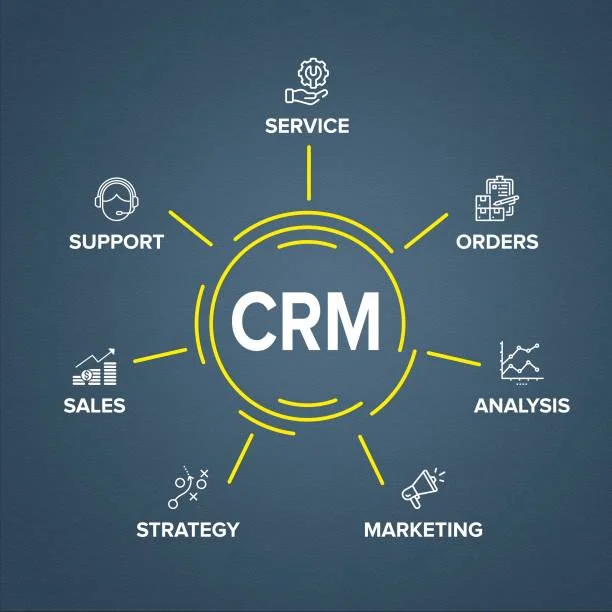
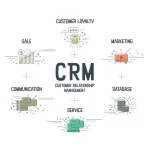
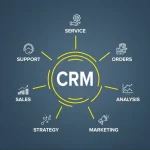
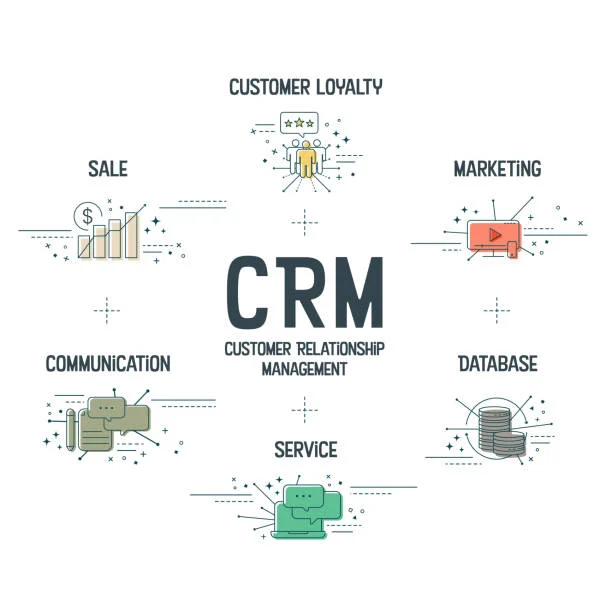
Before delving into the details of cloud-based and on-premise CRM systems, it’s essential to understand what CRM is. A Customer Relationship Management system is a software solution designed to help businesses manage interactions with current and potential customers. It serves as a centralized hub for storing customer information, tracking sales, and automating marketing processes. The primary goal of CRM systems is to improve business relationships, enhance customer satisfaction, and drive growth.
Understanding Cloud-Based CRM
What is Cloud CRM?
A cloud-based CRM system, often referred to as Software as a Service (SaaS) CRM, is hosted on remote servers and accessed over the internet. Users can access the system from anywhere with an internet connection, typically via a web browser or mobile app. This accessibility makes cloud CRM solutions particularly popular among remote teams and businesses with multiple locations.
Pros of Cloud-Based CRM
Accessibility: One of the most significant advantages of cloud CRM is its accessibility. Teams can access customer data and insights from anywhere, whether in the office, at home, or on the go.
Cost-Effectiveness: Cloud CRM solutions often come with lower upfront costs. Instead of investing heavily in hardware and software, businesses generally pay a subscription fee. This model is especially beneficial for small to medium-sized enterprises.
Scalability: As your business grows, your CRM system needs to grow with it. Cloud CRM systems offer seamless scalability, allowing you to easily add users or features as needed without significant investments.
Automatic Updates: With cloud-based systems, the service provider manages all updates and maintenance, ensuring that you always have access to the latest features and security improvements.
Enhanced Collaboration: Cloud CRMs facilitate collaboration by allowing teams to share real-time data and work together on documents, leading to improved communication and a more cohesive customer experience.
Integration Capabilities: Many cloud CRM solutions offer excellent integration capabilities with various other tools and applications, streamlining workflows and enhancing productivity.
Improved Data Security: Although there are concerns about data security in the cloud, reputable providers invest heavily in robust security measures, including encryption and backup solutions. This can often be more secure than small businesses could manage on their own.
Cons of Cloud-Based CRM
Dependence on Internet Connectivity: The primary limitation of cloud CRM is its reliance on a stable internet connection. Without internet access, users cannot access critical customer data.
Potential Data Security Concerns: Storing sensitive data on external servers can raise privacy and security issues. While many providers take stringent security measures, some businesses feel uncomfortable relinquishing control over their data.
Limited Customization: Cloud CRM systems tend to offer fewer customization options compared to on-premise solutions. Businesses with unique needs may find it challenging to modify these systems to fit their operations.
Recurring Costs: While subscription fees are manageable initially, the cumulative costs over time can surpass that of a one-time investment in an on-premise CRM solution.
Vendor Reliability: Relying on a third-party vendor for your system means placing significant trust in their ability to maintain uptime and protect your data. Issues like vendor lock-in can also pose potential risks.
Understanding On-Premise CRM
What is On-Premise CRM?
On-premise CRM solutions are installed and maintained on a company’s own servers and infrastructure. Businesses have full control over the software, data, and security protocols. This traditional approach can be beneficial for organizations with specific customization requirements or strict regulatory compliance needs.
Pros of On-Premise CRM
Full Control: With an on-premise CRM, businesses have complete control over their data and infrastructure. This is particularly important for industries with strict compliance requirements.
Customization: On-premise solutions allow for extensive customization to meet unique business needs. Companies can tailor the system to fit their processes perfectly.
Data Security: Since all data is stored internally, businesses have greater control over their security measures, which can lead to enhanced data privacy and protection.
No Ongoing Subscription Costs: Although initial investment costs are higher, there are no recurring monthly or annual fees. This can make on-premise systems financially attractive in the long run for organizations with stable CRM needs.
Offline Access: On-premise CRMs can often be accessed without an internet connection, ensuring uninterrupted access to customer data even during outages.
Cons of On-Premise CRM
Higher Upfront Costs: Implementing an on-premise CRM typically involves significant upfront costs for hardware, software licenses, and IT personnel to maintain the system.
Slower Implementation: Getting an on-premise CRM up and running can take longer compared to cloud solutions, delaying the time required to benefit from the investment.
Maintenance and Updates: Organizations are responsible for managing updates, patches, and maintenance, which can require substantial IT resources and time.
Limited Accessibility: Users may need to be on-site or use a Virtual Private Network (VPN) to access the system remotely, limiting flexibility for mobile workers.
Scalability Challenges: Scaling an on-premise solution often requires additional hardware investments, which can be both costly and time-consuming.
CRM in the Cloud vs. On-Premise: A Comprehensive Comparison
When selecting between cloud-based and on-premise CRM solutions, businesses should carefully weigh several factors:
Cost Analysis
Cloud CRM typically features lower upfront costs with a subscription-based model, making it appealing for businesses with limited budgets. In contrast, on-premise solutions require a higher initial investment but may prove cost-effective long-term without ongoing subscription fees.
Security Considerations
On-premise CRMs provide businesses with direct control over their data security, which may be essential for highly regulated industries. Cloud CRM providers also offer robust security measures, but concerns about data breaches may remain for some businesses.
Scalability and Flexibility
Cloud CRM excels in scalability, allowing businesses to adapt quickly to changing needs. On-premise solutions, however, can present challenges in terms of scaling, requiring investment in additional infrastructure.
Maintenance and Updates
Cloud solutions relieve businesses of the responsibility for maintenance and updates, with providers handling these tasks. In contrast, on-premise systems require internal resources for ongoing maintenance—often a significant administrative burden.
Data Privacy and Compliance
Businesses heavily reliant on data privacy regulations may prefer on-premise solutions for added control. Cloud CRM providers frequently comply with data protection standards, enhancing their offerings, but some businesses may still feel discomfort with cloud storage.
Conclusion
Choosing between a cloud-based CRM and an on-premise solution entails careful consideration of various factors, including cost, security, scalability, and customization needs. Cloud CRMs offer flexibility and lower initial costs, making them suitable for many modern businesses. However, organizations with specific requirements for control or customization might find on-premise solutions to be the better fit.
Ultimately, the decision rests on your business goals, operational requirements, and long-term strategies. Consider these factors thoroughly before deciding on the best CRM solution for your organization. As technology continues to evolve rapidly, staying informed and ready to adapt is essential for successfully managing customer relationships.