



CRM and Sales Automation: How to Transform Your Business in the U.S.
The transformation of businesses in the United States is in full swing, and one of the core pillars of this revolution is Customer Relationship Management (CRM) and Sales Automation. Companies that properly implement these tools not only improve the efficiency of their operations but also strengthen their relationships with customers, ultimately driving growth. In this article, we will explore how CRM and sales automation can act as catalysts for transforming your business.
What is CRM?
Definition of CRM
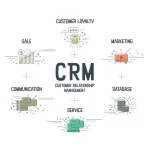
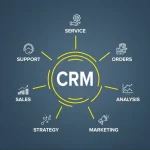
CRM (Customer Relationship Management) is a strategic approach that enables organizations to manage their interactions with customers and potential customers. It utilizes data to understand customer needs, facilitate personalized communication, and improve the sales process. A well-implemented CRM system collects information about customers across multiple channels, such as social media, email, and customer support.
Benefits of CRM
Improved Customer Communication: CRM allows businesses to access all interaction information with a customer in one place, which is vital for providing personalized service and improving the customer experience.
Data Analytics: CRM systems provide analytics tools that help businesses understand customer behavior patterns, enabling informed decision-making.
Automation of Administrative Tasks: Many repetitive tasks, such as data entry or email follow-ups, can be automated thanks to CRM systems, freeing up time for teams to focus on more strategic tasks.
What is Sales Automation?
Sales automation involves using software to automate tasks related to the sales process. This technology enables sales teams to perform their jobs more efficiently by eliminating repetitive tasks and providing valuable information at the right time.
Benefits of Sales Automation
Increased Productivity: By automating repetitive tasks, sales representatives can spend more time selling and engaging with potential clients.
Lead Scoring and Prioritization: Automation allows for classifying leads based on their likelihood to convert, helping sales teams focus on the most valuable opportunities.
Personalized Follow-ups: With automation systems, companies can schedule automatic follow-ups and personalized messages that enhance customer relationships.
Integrating CRM and Sales Automation
Building an Effective Ecosystem
Combining CRM and sales automation creates a powerful ecosystem. A robust CRM system enhances automation capabilities by providing real-time data that optimizes customer interactions. This means that decisions can be based on accurate data, leading to improved customer service and higher conversion rates.
Example of Integration
Imagine that a potential customer interacts with your website by subscribing to a newsletter. Through automation, this lead is automatically classified in the CRM. Subsequently, a follow-up can be programmed with a personalized email containing relevant content. This not only saves time but also increases the likelihood of conversion by maintaining customer interest.
Automating Specific Tasks
Some of the tasks that can be automated within the sales process include:
- Report Generation: Creating sales reports and performance analysis can be done with a single click, providing the team with valuable insights without consuming much time.
- Contact Management: Automation allows for the automatic import and updating of contact information from various platforms, ensuring that you always have up-to-date information.
- Follow-up Reminders: Automated reminders help salespeople avoid missing opportunities by ensuring that no lead goes without appropriate follow-up.
Implementing a CRM and Sales Automation System
Step 1: Evaluate Needs
Before implementing a CRM and sales automation system, it is crucial to identify your business’s specific needs. Are you looking to improve customer communication? Do you need to reduce response times? Defining these goals will help you choose the right system.
Step 2: Choose the Right Software
There are numerous CRM and sales automation software options available in the market. Businesses should look for a system that fits their needs and offers features such as integration with other applications, ease of use, and scalability.
Step 3: Team Training
A successful implementation depends not only on the technology but also on the people using it. Investing in training to familiarize your team with the system is essential for maximizing its potential.
Step 4: Monitor and Adjust
After implementation, it is essential to track results and make adjustments as needed. Using metrics to measure success will help make continuous improvements to the process.
Success Stories
Example 1: Technology Company
A technology company that implemented a CRM system along with sales automation saw a 30% increase in conversions within just six months. By automating lead follow-ups and interactions, the sales team could focus on building relationships, resulting in higher customer satisfaction.
Example 2: Retail Company
An online retailer decided to integrate a CRM system with their sales platform. This allowed for better inventory management and quicker responses to customer inquiries. As a result, the company noticed a 25% reduction in response times and an increase in repeat sales.
Common Challenges and How to Overcome Them
Resistance to Change
Employee resistance to adopting new technologies is a common challenge. It’s important to communicate the benefits of change and how it will improve their daily tasks.
Integration with Existing Systems
Ensure that the new CRM and sales automation software integrates well with existing tools. Choosing a system that offers integrations is essential for maintaining a smooth workflow.
The Future of CRM and Sales Automation
The future of CRM and sales automation is promising, with emerging technologies such as artificial intelligence and machine learning beginning to be integrated into these systems. This will allow for even more personalized interactions and precise predictions about customer needs.
Trends to Watch
Artificial Intelligence: As machine learning becomes more prevalent, CRM systems will utilize historical data to predict buying behaviors and offer personalized recommendations.
Advanced Automation: Sales automation is expected to extend to areas beyond sales and marketing, including customer service and project management.
Predictive Analytics: Businesses will use predictive analytics to make more informed decisions based on data and future behaviors.
Conclusion
CRM and sales automation are not just tools; they are business transformers. By managing relationships and employing automation, companies can significantly increase their productivity, customer satisfaction, and ultimately their revenue. Embracing these technologies in the American market can be the first step toward a more successful and efficient future.
Written by Domingo Hernández