








Best Practices for Successful CRM Implementation and Avoiding Costly Mistakes
Implementing a Customer Relationship Management (CRM) system can significantly enhance the way businesses interact with their customers and manage their sales processes. However, many organizations struggle with implementation, resulting in wasted resources and missed opportunities. This article delves into the best practices for implementing a CRM successfully and avoiding common pitfalls.
Understanding CRM Implementation
What is CRM?
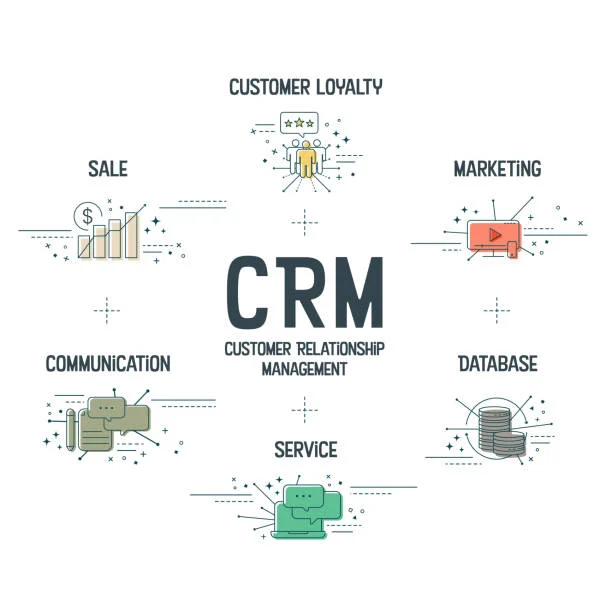
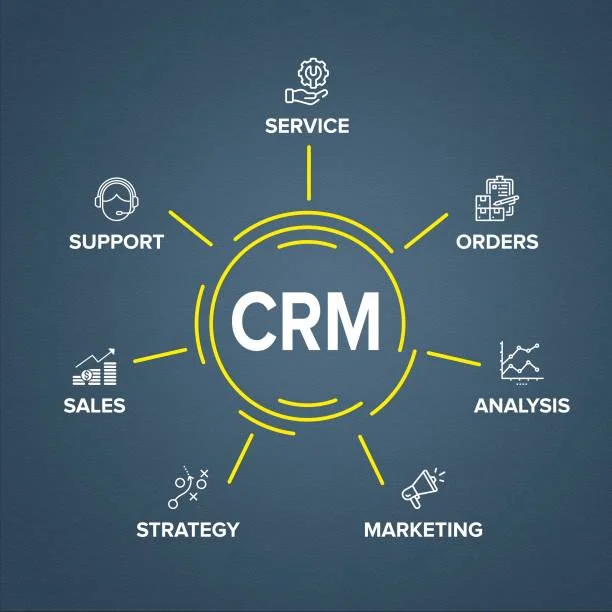
CRM stands for Customer Relationship Management. It refers to a technology used to manage a company’s interactions with current and potential customers. A CRM system helps businesses streamline processes, improve customer relationships, and increase profitability.
Why Implement a CRM?
The primary reason for implementing a CRM is to improve customer relationships. By centralizing information about customers, companies can analyze data, optimize interactions, and ultimately enhance the customer experience. A successful CRM implementation can lead to increased sales, improved customer satisfaction, and better data management.
Best Practices for Successful CRM Implementation
1. Define Clear Goals
Before diving into implementation, it is vital to define clear, measurable goals. Understanding what you seek to achieve with your CRM—be it enhanced lead management, improved customer service, or increased sales—is crucial. Set specific targets, like increasing sales conversion rates by a certain percentage within the first year.
2. Assemble the Right Team
A successful CRM implementation is not a lone initiative. It requires input from multiple stakeholders. Assemble a project team that includes representatives from sales, marketing, customer service, IT, and management. Having diverse perspectives ensures that the CRM aligns with various departmental needs and enhances overall user adoption.
3. Choose the Appropriate CRM Software
Not all CRM solutions are created equal. Assess your business requirements thoroughly before selecting a CRM system. Focus on features that align with your goals:
- Integration Capabilities: Ensure the CRM integrates well with existing tools used by your team.
- Ease of Use: Select a user-friendly interface to facilitate quick adoption.
- Scalability: Choose a solution that can grow with your business.
4. Prioritize Data Quality
Data is the heart of any CRM system. Before implementation, conduct a data audit to clean up your existing databases. Remove duplicates and ensure that information is accurate and relevant. Keeping your data clean and organized will maximize the effectiveness of your CRM.
5. Develop a Change Management Strategy
Implementing a new system often meets resistance. Developing a change management strategy is essential to address concerns and facilitate a smooth transition. Communicate the benefits of the CRM clearly and involve team members in the process. Training sessions can help alleviate fears and build confidence.
6. Customize the CRM to Fit Your Processes
A one-size-fits-all approach rarely works when implementing a CRM. Customize the system to align with your specific business processes. Configure dashboards, reports, and workflows based on team requirements. This ensures that the CRM serves as an ally rather than an obstacle.
7. Train Your Team Effectively
Training is fundamental for user adoption. It’s not enough for employees to know how to use the CRM; they need to understand its benefits. Conduct comprehensive training sessions that cater to different user roles, coupled with ongoing support and resources. Provide access to tutorials and troubleshooting guides to facilitate learning.
8. Start Small and Scale Gradually
When launching a new CRM, consider starting with a pilot program in a single department or team. This approach allows you to gather feedback and make necessary adjustments before a full-scale rollout. Once initial challenges are addressed, you can introduce the CRM to other areas of the business.
9. Monitor Performance and Adapt
Post-implementation, continuous evaluation is vital. Track key performance indicators (KPIs) to assess the effectiveness of the CRM. Monitor metrics such as user adoption rates, customer satisfaction scores, and sales performance. Use this data to tweak and improve your CRM processes continually.
Common Pitfalls in CRM Implementation and How to Avoid Them
1. Lack of Stakeholder Buy-in
Failing to involve key stakeholders from the beginning can lead to a lack of commitment. Ensure that team members are engaged and invested in the implementation process. Regular communication and feedback loops can foster collaboration and buy-in.
2. Poor Data Management
Inadequate data management can undermine the benefits of CRM. Ensure that data governance policies are in place from the onset to maintain high data quality. Develop guidelines for data entry and maintenance to keep your CRM efficient.
3. Overcomplicating the System
In an effort to cover all bases, teams may overcomplicate the CRM setup with excessive customizations. Keep the system as simple as possible to enhance user experience. Start with essential features and build upon them over time as familiarity grows.
4. Insufficient Training and Support
Training should not be a one-time event. Provide ongoing training and support to address emerging challenges and questions. Regular workshops and update sessions can keep your team informed about new features and best practices.
5. Neglecting Ongoing Evaluation
The work doesn’t end after implementing a CRM. Companies often fail to evaluate the system’s performance systematically. Set regular review meetings to assess how well the CRM is working and determine areas for improvement.
Conclusion
Implementing a CRM system successfully requires careful planning, team involvement, and a commitment to data quality. By following these best practices, businesses can establish a strong foundation for cultivating customer relationships that drive growth. Avoiding common pitfalls will ensure that the investment in CRM pays off, enhancing operational efficiency and boosting overall competitiveness.
Written by Domingo Hernández