




The 10 Most Used CRMs in the USA and Their Key Benefits
Customer Relationship Management (CRM) systems have become essential tools for businesses of all sizes in the United States. By helping organizations manage customer interactions, automating processes, and providing valuable insights into customer behavior, CRMs can significantly enhance productivity and profitability. This article explores the ten most utilized CRM systems in the USA and highlights their key benefits.
What is a CRM?
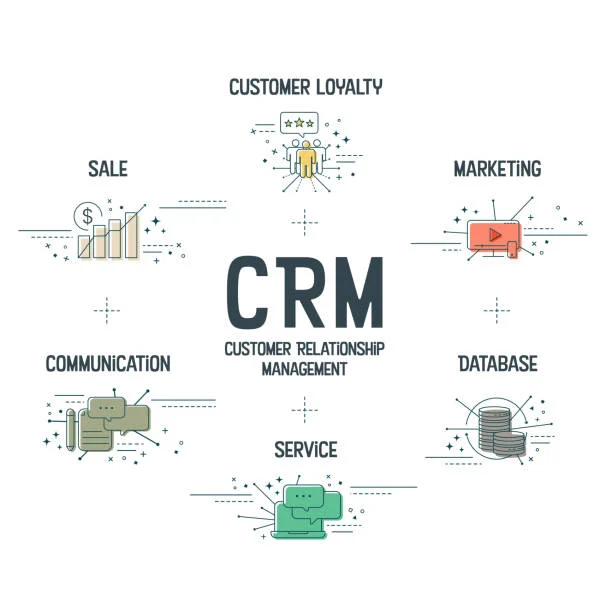
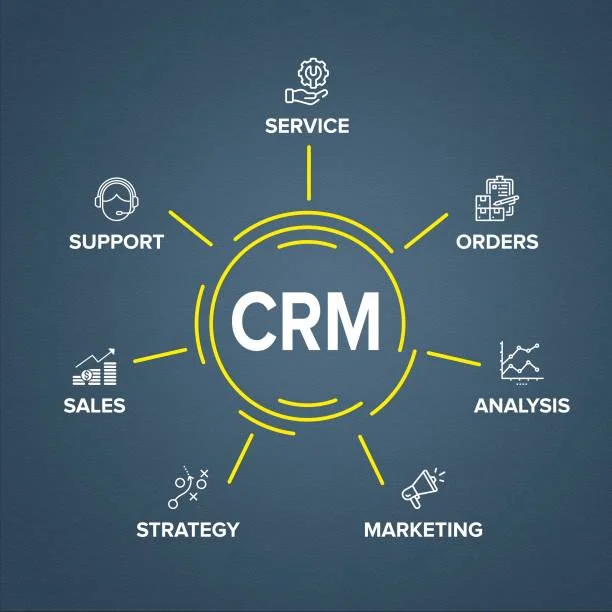
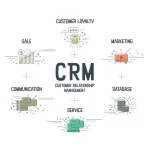
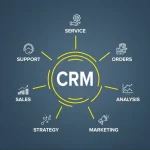
A Customer Relationship Management (CRM) system is a software solution designed to facilitate the management of a company’s interactions with current and potential customers. A CRM enables businesses to streamline processes, enhance customer service, and improve sales.
Importance of CRM Systems
As businesses grow, managing customer relationships becomes increasingly complex. A CRM system centralizes customer data, allowing organizations to make informed decisions based on comprehensive insights. By automating tasks and providing a platform for collaboration, CRMs enhance efficiency and improve customer satisfaction.
1. Salesforce
Salesforce leads the CRM market and is widely recognized for its robust features.
Key Benefits:
- Comprehensive Customization: Salesforce allows businesses to tailor the system according to their specific needs. With extensive customization options, businesses can optimize workflows and reports.
- Advanced Analytics: The platform offers extensive analytics and reporting features, enabling users to gain valuable insights into sales trends and customer behavior.
- Scalability: Salesforce is designed to grow with businesses, offering solutions for small startups to large enterprises.
2. HubSpot CRM
HubSpot CRM is known for its user-friendly interface and is particularly popular among small to medium-sized businesses.
Key Benefits:
- Free Version Availability: HubSpot CRM offers a free version, making it accessible for startups and small businesses looking to manage customer relationships without additional costs.
- Ease of Use: The intuitive design allows users to get started quickly without extensive training.
- Integrated Marketing Tools: HubSpot’s CRM integrates seamlessly with its marketing tools, enabling businesses to streamline lead generation and marketing campaigns.
3. Zoho CRM
Zoho CRM is an affordable solution popular among small and mid-sized businesses.
Key Benefits:
- Feature-Rich Free Plan: Zoho CRM offers a comprehensive free plan, allowing businesses to manage up to 5,000 contacts.
- AI-Powered Insights: The software utilizes artificial intelligence to provide predictive analytics, which can help businesses make informed decisions.
- Broad Integration Options: Zoho CRM can integrate with a wide range of third-party applications, facilitating improved data management and workflow automation.
4. Pipedrive
Pipedrive is particularly favored by sales teams for its sales-focused features.
Key Benefits:
- User-Friendly Interface: The platform’s simple and intuitive layout makes it easy for users to manage their sales pipelines.
- Sales Pipeline Management: Pipedrive’s visual sales pipeline helps organizations track deals and optimize their sales processes effectively.
- Integrations and Automation: The platform supports numerous integrations, allowing for enhanced functionality and automated workflows.
5. Microsoft Dynamics 365
Microsoft Dynamics 365 is a powerful CRM solution that integrates seamlessly with other Microsoft products.
Key Benefits:
- Integration with Office Products: Being part of the Microsoft ecosystem, Dynamics 365 offers seamless integration with other Office applications, enhancing collaboration across teams.
- Comprehensive Business Intelligence: The platform provides advanced analytics and reporting features, delivering insights into sales performance and customer behavior.
- Flexible Deployment Options: Businesses can choose between cloud-based and on-premise deployments, depending on their needs and preferences.
6. Freshsales
Freshsales by Freshworks is known for its ease of use and strong automation features.
Key Benefits:
- Integrated Phone and Email: Freshsales offers built-in capabilities for email tracking and call management, streamlining communication with customers.
- Lead Scoring: The system includes lead scoring features that help prioritize potential customers based on predefined criteria.
- Customizable Dashboards: Users can create personalized dashboards that highlight the most relevant metrics and data for their specific needs.
7. Zendesk Sell
Zendesk Sell is designed to enhance sales productivity.
Key Benefits:
- Sales Automation: The platform automates repetitive tasks, allowing sales teams to focus on closing deals rather than administrative duties.
- Detailed Reporting Tools: Zendesk Sell provides comprehensive reporting features to track sales performance and team productivity.
- Customer Interaction Tracking: The software allows for effective tracking of customer interactions, providing insights into customer preferences and behavior.
8. Oracle CRM
Oracle’s CRM solution is geared towards larger enterprises and offers extensive capabilities.
Key Benefits:
- Robust Analytics: Oracle CRM features powerful analytics tools that assist businesses in making data-driven decisions.
- Industry-Specific Solutions: The platform offers tailored solutions for different industries, enhancing its applicability and effectiveness.
- Integration with Other Oracle Products: Oracle CRM integrates seamlessly with other products within the Oracle ecosystem, enabling a unified management approach.
9. Bitrix24
Bitrix24 is a popular choice for businesses looking for free or affordable CRM solutions.
Key Benefits:
- Free Plan with Extensive Features: Bitrix24 offers a free plan with a range of features suitable for small businesses.
- Collaboration Tools: The platform includes various collaboration tools such as task management and project planning, supporting team productivity.
- On-Premise and Cloud Options: Users can choose between cloud-based solutions or hosting the software on their own servers, depending on their preferences.
10. Agile CRM
Agile CRM is designed for small businesses and is known for its affordability.
Key Benefits:
- Cost-Effective: Agile CRM provides essential CRM features at a competitive price, making it accessible for small businesses.
- Sales and Marketing Automation: The platform includes tools for automating sales and marketing tasks, enhancing operational efficiency.
- User-Friendly Interface: With its straightforward design, users can navigate the platform easily, reducing the learning curve.
Conclusion
In summary, CRM systems play a vital role in managing customer relationships and improving business efficiency. Whether your organization is large or small, selecting the right CRM can significantly impact your overall success. The top ten CRMs in the USA—Salesforce, HubSpot CRM, Zoho CRM, Pipedrive, Microsoft Dynamics 365, Freshsales, Zendesk Sell, Oracle CRM, Bitrix24, and Agile CRM—each offer unique benefits that cater to different business needs.
By investing in a CRM system, businesses can enhance customer service, streamline processes, and ultimately drive revenue growth. As organizations increasingly rely on data-driven insights, choosing the right CRM becomes crucial in navigating today’s competitive landscape.
Written by Domingo Hernández