




Cloud CRM vs. On-Premise CRM: Which is the Best Option for Your Business?
In today’s fast-paced business environment, customers are more demanding than ever. Companies need effective strategies to manage their relationships with clients, and Customer Relationship Management (CRM) systems play a crucial role in achieving this goal. When considering a CRM solution, businesses often face a significant decision: whether to adopt a cloud-based CRM or an on-premise CRM. Both options have unique advantages and disadvantages. In this article, we will delve into the key differences between Cloud CRM and On-Premise CRM, helping you determine the best fit for your business needs.
What is a CRM?
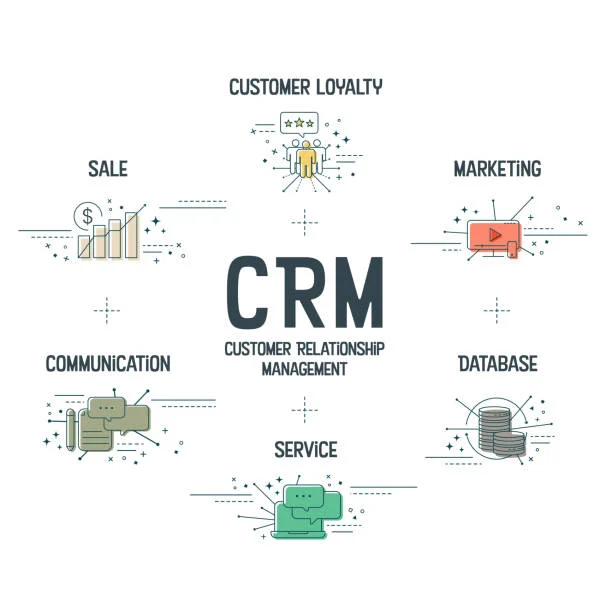
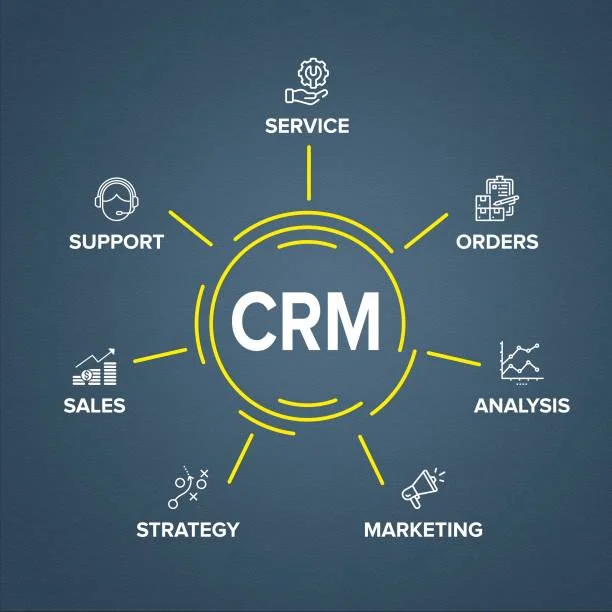
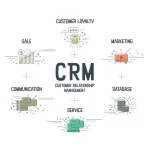
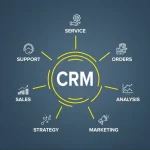
A Customer Relationship Management (CRM) system is a technology that helps businesses manage their interactions with current and potential customers. CRM systems enable organizations to streamline processes, improve customer satisfaction, and increase overall efficiency. By consolidating customer information, businesses can better understand their customers’ needs and preferences, leading to more effective communication and personalized service.
Understanding Cloud CRM and On-Premise CRM
What is Cloud CRM?
Cloud CRM refers to a solution hosted on remote servers, making it accessible via the internet. Users can log in from any device with internet connectivity, allowing for flexibility and real-time data access. Cloud CRM is usually offered as a subscription service, meaning businesses pay for usage on a monthly or annual basis.
What is On-Premise CRM?
On-Premise CRM, on the other hand, is installed locally on company servers. This traditional approach requires businesses to manage their infrastructure, including hardware and software installations. While it offers greater control over data security and customization, it also entails higher upfront costs and maintenance responsibilities.
Key Differences Between Cloud CRM and On-Premise CRM
Cost
One of the most significant considerations when choosing between Cloud CRM and On-Premise CRM is cost.
Cloud CRM Costs
Cloud CRM typically has lower initial costs. Businesses avoid hefty upfront expenses associated with hardware and software installations. Instead, they adopt a subscription model, requiring monthly payments per user. This model allows for better cash flow management, making it ideal for small and medium-sized enterprises.
On-Premise CRM Costs
Conversely, On-Premise CRM comes with substantial upfront costs for software licenses, hardware, and IT support for installation and maintenance. Although these costs can be spread out over time, particularly for larger organizations, the initial investment can be a barrier for smaller businesses.
Flexibility and Scalability
Cloud CRM solutions are particularly known for their scalability and flexibility.
Scalability of Cloud CRM
Cloud CRM allows businesses to easily scale their usage to meet changing needs. As your company grows or experiences market fluctuations, adding or removing users and features can be accomplished seamlessly. This scalability is crucial for businesses that anticipate rapid growth or have fluctuating staff levels.
Limitations of On-Premise CRM
On-Premise CRM requires physical installations that can take time and resources to modify. Scaling up typically involves purchasing additional software licenses and upgrading hardware, which can be time-consuming and costly. This rigidity can be a disadvantage for companies in fast-paced industries.
Maintenance and Updates
Both types of CRM systems require regular maintenance and updates, but the responsibility lies with different parties.
Maintenance of Cloud CRM
With Cloud CRM, the provider handles all maintenance and upgrades, ensuring that the software is always up-to-date with the latest features and security protocols. This frees your team from the technical burdens associated with software management, allowing them to focus on core business activities.
Maintenance of On-Premise CRM
In contrast, On-Premise CRM requires dedicated IT staff to manage the system. Businesses must schedule regular updates and maintain the infrastructure, which can divert resources from other critical tasks.
Security
Security is a significant factor influencing CRM choices, particularly for businesses that handle sensitive customer data.
Security in Cloud CRM
Cloud CRM providers typically invest heavily in security measures, including data encryption, firewalls, and specialized security personnel. However, some businesses are concerned about entrusting sensitive data to third-party providers, fearing data breaches or loss of control over their information.
Security in On-Premise CRM
On-Premise CRM offers businesses more direct control over their data. Organizations can customize their security measures and protocols to meet specific needs, which can be particularly advantageous for industries subject to strict regulatory requirements. However, this increased control comes with the responsibility of ensuring that the system remains secure and compliant.
Accessibility
Accessibility is another critical difference between Cloud CRM and On-Premise CRM.
Advantages of Cloud CRM Access
Cloud CRM can be accessed from anywhere with an internet connection, allowing teams to collaborate effectively from various locations. This accessibility is especially valuable for remote workforces and businesses with multiple office locations.
Limitations of On-Premise CRM Access
In contrast, On-Premise CRM solutions may require VPN connections to access the system remotely. This limitation can hinder productivity, particularly when quick access to customer data is needed from outside the office.
Customization and Integration
The ability to customize and integrate CRM systems with other software is essential for many businesses.
Customization in Cloud CRM
Cloud CRM solutions often offer a range of customization options, but these may be limited compared to On-Premise solutions. Users can tailor dashboards and reports based on preferences, but deeper customization may require the assistance of the provider.
Customization in On-Premise CRM
On-Premise CRM solutions typically provide more extensive customization capabilities. Businesses can design the system to fit their unique processes and workflows, enhancing usability. Furthermore, integration with existing internal systems may be more straightforward due to direct control over the CRM infrastructure.
Choosing the Right Option for Your Business
When determining whether Cloud CRM or On-Premise CRM is the right option for your business, consider the following factors:
Business Size and Growth Projections
Smaller businesses or startups may benefit more from the flexibility and lower costs of Cloud CRM. Conversely, larger organizations or those with unique data security requirements might prefer On-Premise CRM for its customization and control.
Industry Requirements
Certain industries, such as healthcare and finance, require strict compliance with data protection regulations. In such cases, On-Premise CRM may be the better option due to increased control over security measures. However, many Cloud CRM providers also adhere to industry standards, so researching specific solutions is essential.
Budget Constraints
Analyze your budget and the financial implications of both CRM solutions. If your organization is battling tight cash flow, Cloud CRM may be more appealing due to its lower initial costs.
IT Resources
Consider your company’s IT resources and capabilities. If you lack in-house expertise, a Cloud CRM solution may be the best fit as it offers managed services. On the other hand, if your organization has a strong IT department, managing an On-Premise CRM might not pose significant challenges.
Conclusion
In summary, choosing between Cloud CRM and On-Premise CRM depends on various factors, including your business size, industry requirements, budget, flexibility, and IT capabilities. Each option presents unique advantages and disadvantages that can impact how your business manages customer relationships.
Cloud CRM offers accessibility, scalability, and lower initial costs, making it ideal for small to medium-sized businesses with fluctuating demands. Conversely, On-Premise CRM provides extensive customization, control, and security measures that can be advantageous for larger organizations or those in regulated industries.
Ultimately, the decision should be based on thorough consideration of your specific business needs and objectives. By carefully evaluating the strengths and weaknesses of each CRM solution, you can select the one that aligns best with your company’s vision for success.
Written by Domingo Hernández