





How a CRM Can Increase Your Business Sales by 200%
In the modern business landscape, effective customer relationship management (CRM) systems have become vital for enhancing sales processes. A well-integrated CRM can serve as the backbone of your sales strategy, leading to significant improvements in lead generation, nurturing, and overall sales conversions. By leveraging CRM software, businesses can see an increase in sales of up to 200%. This article explores how CRMs function and actionable strategies to maximize their potential.
Understanding CRM and Its Importance
What is a CRM?
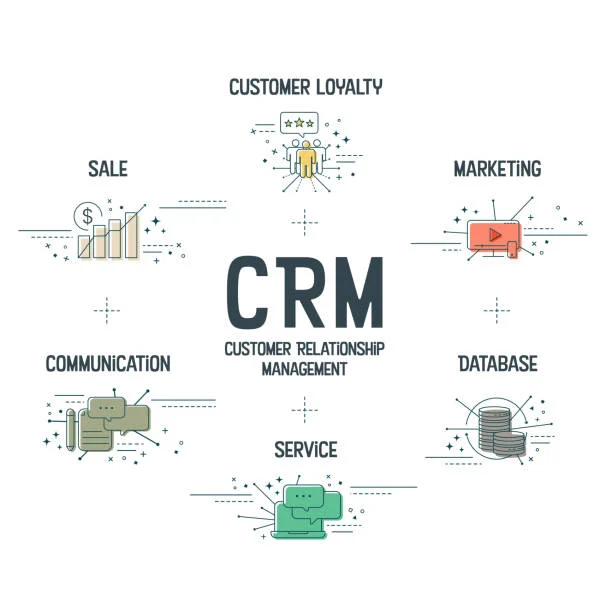
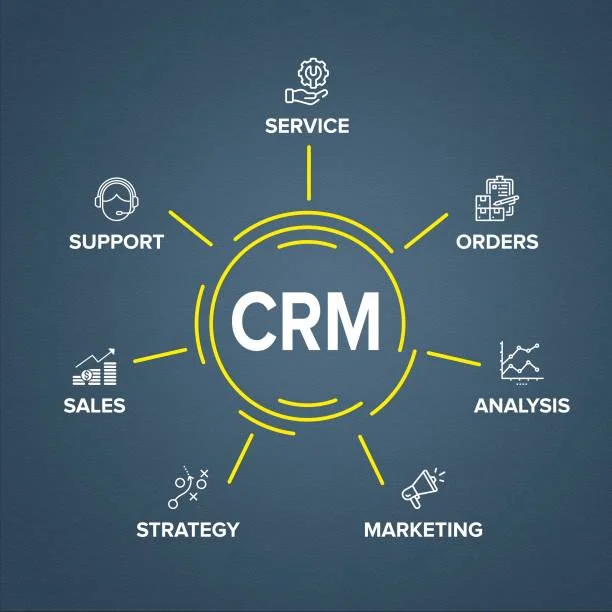
Customer Relationship Management (CRM) is a technology used to manage interactions and relationships with potential and existing customers. It enables businesses to stay connected with their clients, streamline processes, and enhance profitability. CRM software allows organizations to manage customer data, track interactions, and automate various processes related to sales and marketing.
The Role of CRM in Sales
The primary goal of a CRM system is to boost sales by managing customer relationships more effectively. It offers functionalities that allow sales teams to identify customer needs, track interactions, and automate tasks that would otherwise be manual and time-consuming. This not only enhances efficiency but also allows sales teams to focus on higher-value activities, such as closing deals and building strategic relationships.
How CRM Can Increase Sales by 200%
1. Streamlined Lead Management
One of the most critical functions of a CRM is lead management. A CRM system organizes leads into a structured database where sales teams can prioritize prospects based on interaction history, potential value, and engagement levels.
Benefits of Streamlined Lead Management
Prioritization: Sales teams can see which leads are more likely to convert, allowing them to focus their efforts where they will have the most impact.
Quick Follow-ups: Automated notifications ensure that no lead is neglected and that timely follow-ups occur, greatly improving the chances of conversion.
2. Enhanced Customer Insights
CRMs gather and analyze customer data from various touchpoints. This wealth of information provides valuable insights into customer preferences and behaviors, enabling personalized marketing efforts.
Implementation of Customer Insights
Segmentation: Businesses can segment their customer base into distinct groups based on various criteria, such as purchase history or engagement levels. This enables targeted marketing efforts.
Predictive Analytics: Advanced CRM systems can use historical data to predict future buying behaviors, allowing businesses to tailor their sales strategies accordingly.
3. Improved Communication
Effective communication is crucial in the sales process. CRM systems centralize all customer interactions, providing sales teams with a complete view of communications across multiple channels, including email, phone calls, and social media.
Impact of Improved Communication
Consistency in Messaging: With all information stored centrally, businesses can avoid miscommunication and maintain consistency in their messaging.
Understanding Customer Context: Sales teams armed with comprehensive histories can more effectively resonate with clients, addressing their concerns and needs thoughtfully, thus fostering better relationships.
4. Automation of Sales Tasks
Sales automation is a prominent feature of most CRM systems. By automating repetitive tasks such as data entry, follow-up emails, and scheduling, sales representatives can spend more time selling.
Advantages of Sales Automation
Increased Productivity: Automation removes the manual burden from sales teams, enabling them to focus on developing relationships and closing deals.
Reduction of Errors: Automated processes minimize the chances of human error, ensuring that customer records are accurate and up-to-date.
5. Enhanced Reporting and Analytics
CRMs generate detailed reports on sales activities, customer interactions, and campaign performances. These insights are essential for evaluating the effectiveness of sales strategies and identifying areas for improvement.
Utilizing Reporting and Analytics
Performance Metrics: Accessing critical performance data allows managers to assess which strategies yield the best results and which require adjustments.
Real-Time Adjustments: Continuous tracking enables businesses to make real-time changes to their sales approaches based on the most current data, enhancing agility and responsiveness.
6. Better Collaboration Between Teams
A CRM fosters better collaboration between sales, marketing, and customer service teams by providing a common platform where information is shared seamlessly.
Benefits of Cross-Departmental Collaboration
Unified Goals: When all teams align on shared data and objectives, the chances of successfully closing sales increases significantly.
Holistic Customer View: A collaborative approach creates a comprehensive understanding of customer interactions across all departments, leading to improved customer service and satisfaction.
Implementing CRM Strategies for Optimal Sales Growth
To realize the full potential of a CRM, businesses must adopt strategies that integrate the software effectively into their existing workflows.
1. Proper Training and Onboarding
Ensuring that all team members are well-versed in using the CRM is crucial for success. Invest in comprehensive training programs to familiarize employees with the system’s features and functionality.
2. Ensure Data Quality and Integrity
The success of any CRM strategy hinges on the quality of data contained within the system. Regularly audit the database to ensure that it is accurate, up-to-date, and free from duplicates.
3. Continuous Feedback and Adaptation
Treat the CRM implementation as a continuous process. Regularly solicit feedback from users to identify pain points or obstacles and adapt your strategies as necessary to streamline workflows further and enhance usability.
4. Utilize Integration Capabilities
Leverage the integration capabilities of your CRM with other tools such as email clients, accounting software, and marketing platforms to create a cohesive working environment. This interconnectivity enhances efficiency and provides a unified workflow.
5. Set Clear Objectives
Establish clear goals tied to your CRM use. This could range from increasing lead conversion rates to improving customer retention multiplied by targeted metrics and KPIs to gauge success objectively.
Conclusion
The implementation of a CRM system can fundamentally transform the sales process, giving businesses the tools they need to increase sales by 200%. Streamlined lead management, enhanced customer insights, automated tasks, and improved inter-team collaboration are just a few of the benefits that CRMs offer. By strategic implementation and continuous adaptation, businesses can harness the full potential of CRM technology to drive significant sales growth and establish long-term client relationships.
Written by Domingo Hernández.